
Landscape lighting in Colorado Springs can improve safety, create ambience, highlight your property’s best features, and extend your enjoyment of outdoor spaces after dark. As flowers bloom and yards come alive, spring and summer provide practical times to install or upgrade your outdoor lighting system. Installing it as the weather warms allows you to enjoy illuminated evenings throughout the growing season while showcasing your garden’s beauty.
Why Plan Landscape Lighting Installation
Summer weather in Colorado Springs creates practical conditions for landscape lighting installation. As temperatures warm and days lengthen, the ground becomes workable without the frozen challenges of winter. Installing landscape lighting now in summer allows you to enjoy illuminated evenings throughout the growing season. Early installation also helps highlight summer blooms and lush landscape features as they develop.
The long daylight hours of summer give installation crews more time on-site and let you preview your lighting design in real evening conditions right away. You avoid the frozen ground and limited daylight of winter, along with the unpredictable weather swings of fall. Your new lighting system will be ready to showcase blooming perennials, full tree canopies, and other summer garden features at their peak. This timing also means your outdoor space is ready for entertaining without delay, while summer evenings are still in full swing.
Completing your landscape lighting installation in Colorado Springs during spring or summer gives you several months to enjoy it before winter returns.
You can host outdoor gatherings with beautiful lighting all summer long, well into fall. The longer daylight hours of summer also mean installation work can proceed efficiently without rushing against early darkness.
Popular Landscape Lighting Styles for Colorado Springs Properties
Colorado Springs properties benefit from diverse lighting styles that complement the region’s natural beauty and architectural variety. The right combination of lighting techniques creates visual interest while serving practical purposes. Our landscape lighting installation in Colorado Springs includes professional design and fixture placement planned around your property’s layout, architecture, and outdoor living areas.
Path and Walkway Lighting
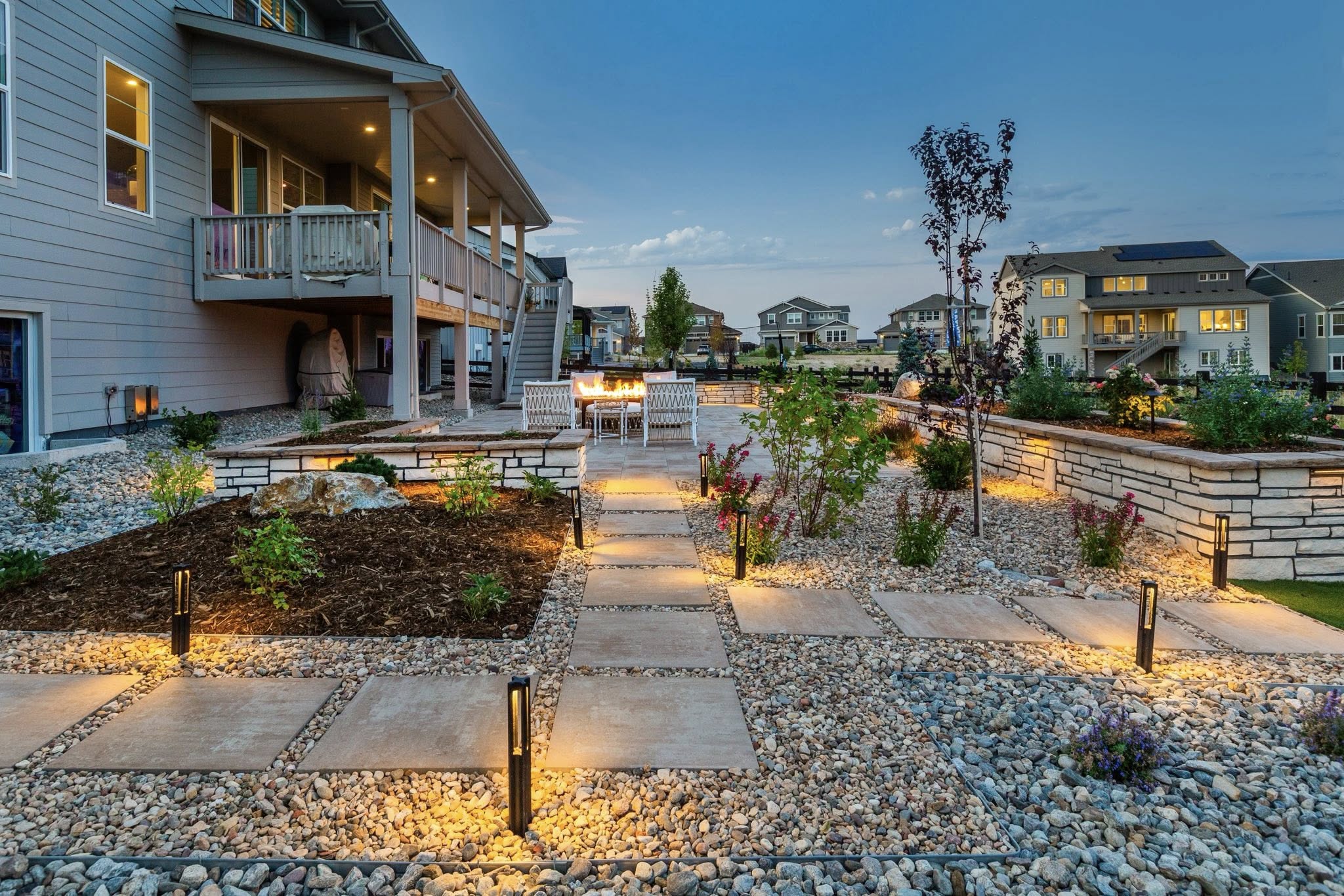
Low-voltage path lights create safe navigation while adding aesthetic appeal to garden walkways. These fixtures typically stand 18 to 24 inches tall and cast gentle pools of light along your paths. Solar-powered options provide eco-friendly illumination for driveways and entrance paths without requiring electrical wiring. Fixture spacing should be based on each light’s beam spread, pathway width, curves, and required visibility rather than following one fixed measurement.
Consider the height and beam spread of fixtures to avoid glare while providing adequate illumination. Bollard-style lights work well for wider pathways, while smaller stake lights suit narrow garden paths. The fixtures should complement your landscape style, from contemporary stainless steel to traditional bronze finishes.
Accent Lighting for Trees and Shrubs
Uplighting techniques showcase mature trees and architectural plantings by placing fixtures at ground level and directing light upward. This method creates dramatic shadows and emphasizes the natural form of your trees and larger shrubs. View our landscape lighting projects to see how accent lighting can highlight trees, shrubs, native plants, and other garden features. These are projects that we have installed for your neighbors in Colorado Springs and along the Front Range.
Moonlighting effects create natural-looking shadows and depth by mounting fixtures high in trees and directing light downward. This technique mimics natural moonlight filtering through branches. Position uplights about 2 to 3 feet from tree trunks and adjust angles to avoid harsh shadows. For shrubs and garden beds, use lower-wattage fixtures to create subtle highlighting without overpowering smaller plants.
Patio and Outdoor Living Area Illumination
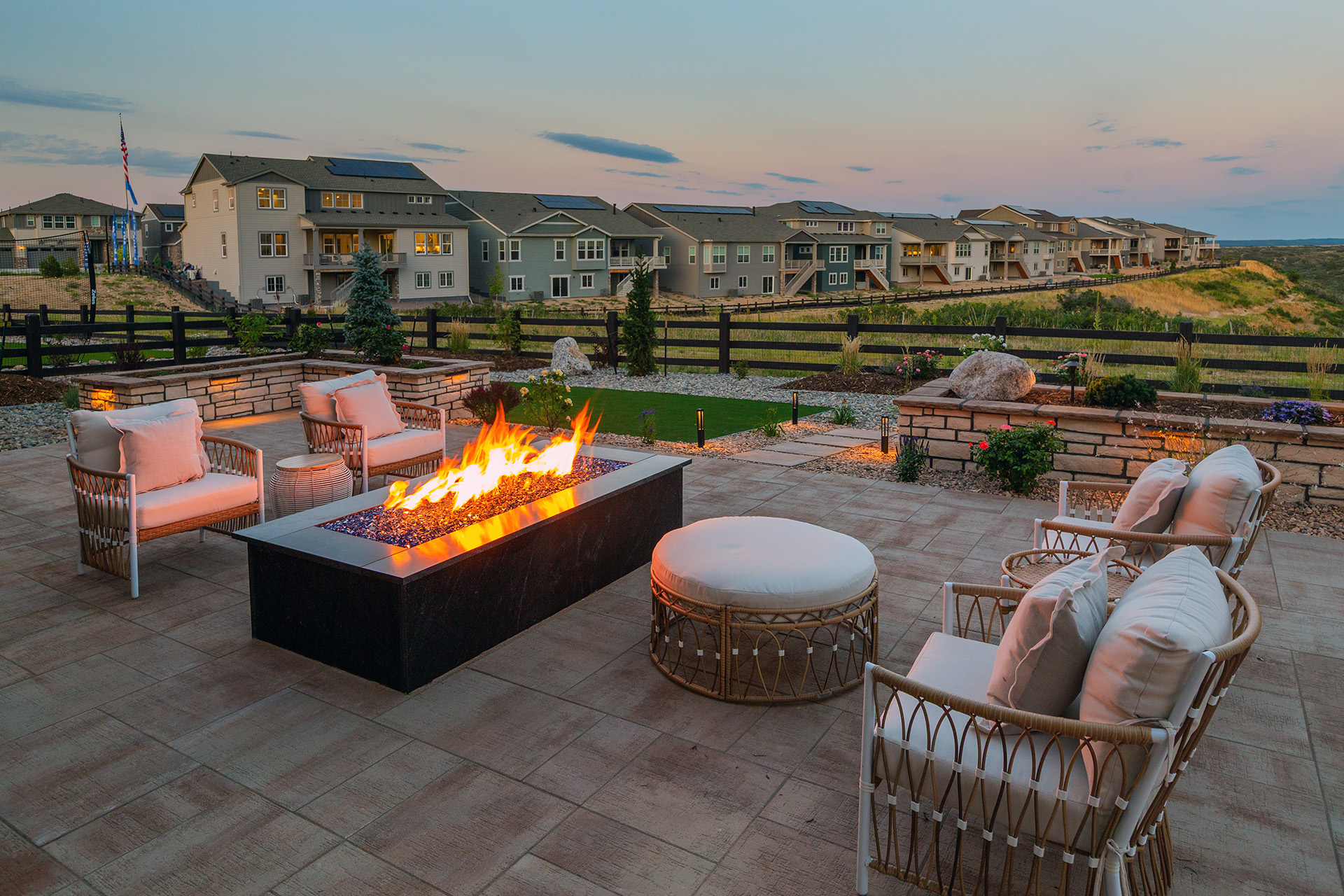
Patio and outdoor living area lighting can create a welcoming atmosphere while making entertaining spaces safer and more practical after dark. String lights and pendant fixtures create inviting atmospheres for entertaining spaces. Overhead lighting provides ambient illumination for dining and conversation areas. Integrated lighting in hardscape features creates a seamless design that enhances steps, seat walls, and planters. View our paver patio designs that pair beautifully with lighting installations.
Recessed deck lights and step lights improve safety on elevated surfaces while maintaining clean sightlines. Post cap lights add decorative elements to railings and fence posts. For covered patios, consider ceiling-mounted fixtures with dimming capabilities to adjust brightness for different activities.
Energy-Efficient Lighting Options for Colorado’s Climate
Energy-efficient landscape lighting can reduce electricity use while providing reliable illumination throughout your property. LED landscape lighting offers a longer lifespan and lower energy consumption than traditional halogen lighting. LED fixtures use up to 75% less energy than halogen bulbs and can last 25,000 to 50,000 hours, compared with approximately 2,000 hours for halogens. This can reduce maintenance requirements and electricity costs over time.
Solar-powered fixtures suit Colorado’s abundant sunshine, charging during the day and illuminating your landscape at night. These work particularly well for path lighting and accent features away from electrical sources. Smart lighting systems with timers and sensors provide automated control, adjusting on and off times as seasons change. Motion sensors can activate lights only when needed, further reducing energy use.
Weather-resistant fixtures designed to withstand Colorado’s variable summer conditions protect your investment. Look for fixtures rated for wet locations with durable finishes that resist UV degradation and temperature extremes. Quality fixtures maintain performance through summer thunderstorms, intense high-altitude sun exposure, and the seasonal hail Colorado summers are known for.
Landscape Lighting Design Principles
Thoughtful landscape lighting design principles balance visual appeal with practical functionality. Proper planning helps your lighting system highlight your property without causing unwanted glare or excessive brightness. The goal is to create inviting outdoor spaces that feel naturally lit.
Layering Light for Depth and Interest
Combining ambient, task, and accent lighting is one of the main landscape lighting design principles for creating a balanced outdoor environment. Ambient lighting provides general illumination for safe movement through your yard. Task lighting focuses on specific areas such as outdoor kitchens, dining tables, and stairways, while accent lighting highlights architectural features, plants, and decorative elements.
Avoiding over-illumination while ensuring adequate visibility requires careful fixture selection and placement. Too much light creates harsh environments and washes out the visual interest you’re trying to create. Creating focal points that draw the eye through your landscape guides visitors naturally through your outdoor spaces. Use brighter accent lights sparingly on key features while keeping ambient lighting subtle.
Color Temperature Considerations
Choosing a suitable color temperature is an important part of effective landscape lighting design. Warm white lighting between 2700K and 3000K creates an inviting, cozy atmosphere similar to traditional incandescent lighting. It works well for residential yards and outdoor entertaining areas. Cool white lighting between 4000K and 5000K provides a crisp appearance that complements contemporary architecture and commercial settings.
Matching lighting temperatures throughout your property creates a cohesive design. Mixing warm and cool lights in the same viewing area can feel jarring and disjointed. Choose one primary color temperature for your main lighting scheme, using the other sparingly for specific contrast effects if desired.
Strategic Placement for Maximum Impact in Colorado Springs Yards
Well-planned outdoor lighting in Colorado Springs can draw attention to distinctive architectural features such as stonework, columns, and rooflines. Grazing light across textured surfaces highlights their depth and materials. Illuminating water features, rock gardens, and xeriscaping elements also reflect Colorado’s natural character while creating attractive nighttime focal points.
Creating safe pathways while minimizing light pollution requires directing light downward and avoiding fixtures that shine into neighboring properties or the night sky. Use shielded fixtures and proper aiming to keep light where you need it. Consider views from both inside and outside your home to ensure lighting looks good from all vantage points.
Working with Colorado Springs terrain and elevation changes means accounting for slopes, retaining walls, and grade transitions. These features offer opportunities for dramatic lighting effects while requiring careful fixture placement to avoid awkward shadows. Light can emphasize the natural contours of your property when placed thoughtfully.
Professional Installation vs. DIY Landscape Lighting
Professional landscape lighting installation includes accurate voltage calculations and careful wire placement for reliable performance and electrical safety. Experienced installers can create balanced lighting plans that avoid common problems such as excessive brightness, voltage loss, and poor fixture placement. Contact our team to schedule a lighting consultation and discuss your ideas.
Warranty and maintenance considerations affect long-term performance and costs. Professional installations typically include warranties on both fixtures and labor. Electrical safety requirements and local building codes in Colorado Springs may mandate professional installation for certain types of lighting systems. Low-voltage systems generally allow more flexibility for DIY work than line-voltage installations.
When DIY projects make sense for simple additions like solar path lights or battery-powered accent fixtures, homeowners can save on installation costs. However, complex systems with transformers, multiple zones, and integrated controls benefit from professional expertise. With over 40 years of experience, we understand Colorado Springs lighting needs and local conditions.
Maintenance Tips for Summer Landscape Lighting Systems
Regular landscape lighting maintenance helps fixtures retain their brightness and operate reliably. Dirt, pollen, and debris can accumulate over time and reduce light output. Use a soft cloth and mild soap to clean lenses and fixture housings during your summer yard maintenance.
Bulb replacement schedules and compatible LED options vary by fixture type. Keep spare bulbs on hand for quick replacements. When switching from halogen to LED, verify compatibility with your existing fixtures and transformers. Adjusting timer settings as daylight hours increase through summer ensures lights activate at appropriate times. Many smart systems adjust automatically based on sunrise and sunset.
Inspecting wiring and connections after winter weather helps identify potential problems before they cause failures. Look for exposed wires, corroded connections, or damage from settling soil or freeze-thaw cycles. Trimming vegetation that may obstruct light fixtures maintains intended lighting effects and prevents plant material from contacting hot bulbs.
Budgeting for Your Summer Lighting Project
The landscape lighting cost in Colorado Springs depends on your property size, the number and type of fixtures, wiring requirements, terrain, transformers, controls, and the number of lighting zones. Basic path lighting generally costs less than a comprehensive system covering patios, trees, architectural features, and outdoor living areas. Request a personalized quote based on your property, lighting needs, and project goals.
Return on investment comes through increased property value and curb appeal. Well-designed landscape lighting can increase home values by 5% to 10% while making properties more attractive to potential buyers. Phased installation approaches help budget-conscious homeowners spread costs over time. Start with priority areas like entries and pathways, then add accent and decorative lighting in subsequent phases.
Energy savings offset initial investment over time, especially with LED fixtures. A typical LED landscape lighting system costs $5 to $15 per month to operate compared to $30 to $50 for equivalent halogen systems. Over 10 years, energy savings can total $3,000 to $5,000.
Lighting for Your Existing Landscape Design
Coordinating landscape lighting in Colorado Springs with seasonal plantings and color schemes helps the system remain effective as your garden changes. Position fixtures to accommodate plant growth and seasonal changes. Summer perennials and full, leafed-out trees may require different lighting angles and fixture positions than spring bulbs or fall ornamental grasses.
Adding lighting to existing hardscape features like patios, retaining walls, and fire pits integrates lighting into your overall landscape composition. Built-in lighting in steps, walls, and pillars creates professional results that look intentional rather than added as an afterthought. Adapting lighting as your landscape matures and evolves means planning for adjustability. Trees grow, shrubs fill in, and garden layouts change over the years.
View our previous projects for lighting inspiration, showing how different styles work with various landscape types. Colorado landscapes range from lush traditional gardens to water-wise xeriscaping, each requiring unique lighting approaches.
Smart Technology Integration for Modern Landscape Lighting
Smart landscape lighting technology allows you to operate compatible fixtures remotely through a smartphone app. You can adjust lighting scenes, switch fixtures on or off, and check system settings without going outside. Some systems also support voice controls through home automation platforms such as Amazon Alexa and Google Home.
Scheduling options that adjust automatically for sunrise and sunset times eliminate manual programming as seasons change. Set different scenes for weekdays versus weekends or create vacation modes that vary lighting patterns. Security benefits of programmable lighting patterns make your home appear occupied even when you’re away. Random lighting schedules deter potential intruders better than predictable on-off times.
Smart systems also provide energy monitoring, showing exactly how much power your landscape lighting consumes. Some systems integrate with weather services to adjust operations based on current conditions.