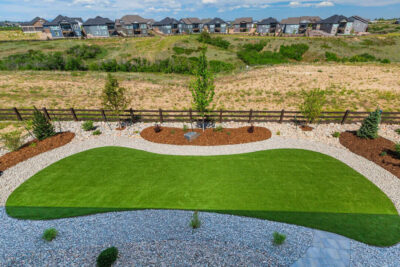
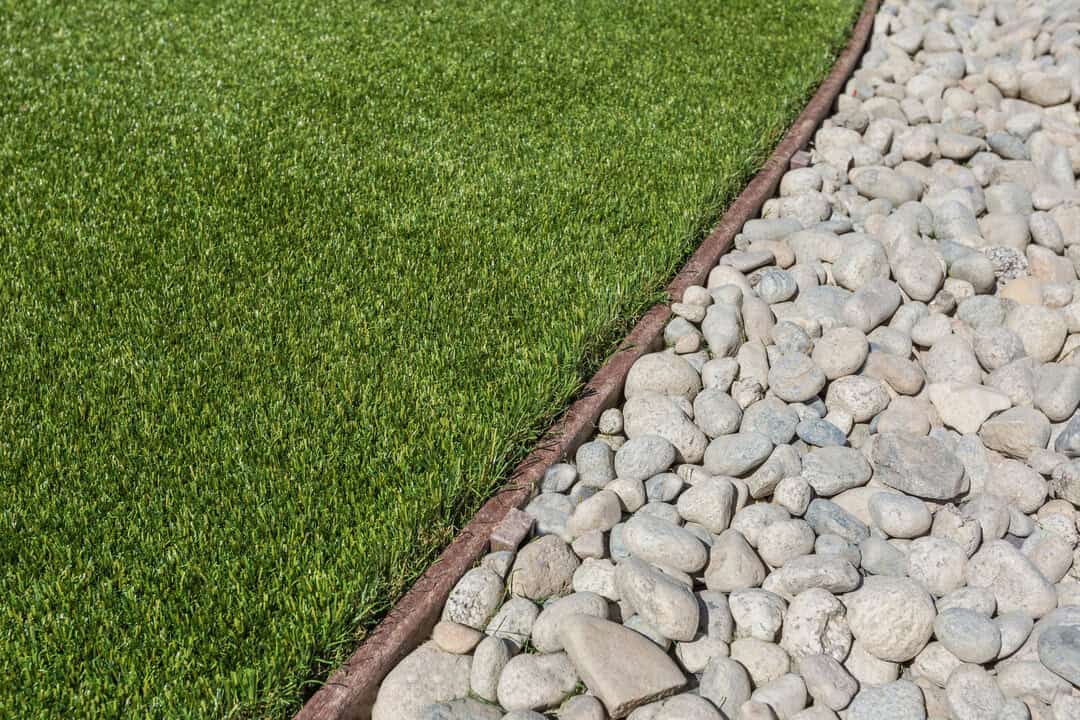
Artificial turf that fails usually fails underneath, not on top. AG Landscaping installs artificial turf in Colorado Springs with proper base preparation and drainage, so the lawn stays flat, drains correctly, and doesn’t develop the pooling or odor problems that come from a rushed install. It’s also one of the more direct answers to a climate that doesn’t give natural lawns much help.
What’s Included
What’s Included
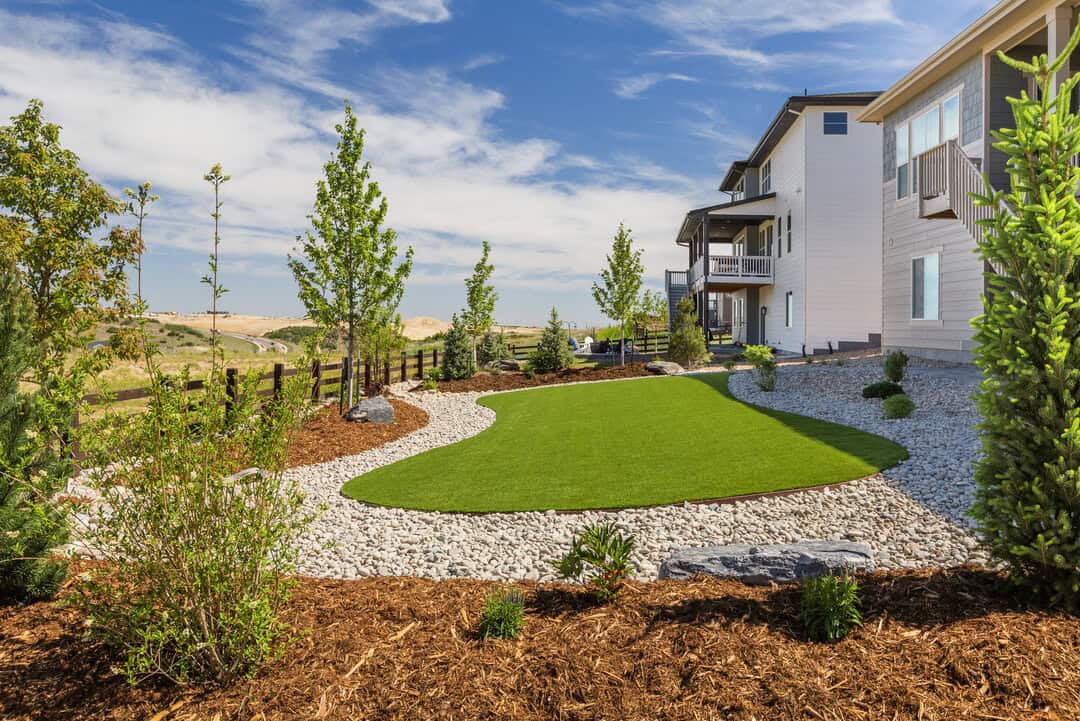
Turf selection matters more than most homeowners expect: UV rating protects against Colorado’s high-altitude sun, pile height and density affect both look and durability, and infill choice affects drainage and how the turf feels underfoot. We install a compacted base with a drainage layer underneath, seam the turf sections so the pattern reads as one continuous lawn, and finish with infill and grooming. Pet-friendly turf and drainage systems are available for households that need them.
A Water-Wise Alternative for Colorado Yards
Turf is a direct answer to Colorado Springs’ roughly 15 to 17 inches of annual precipitation: no watering, no mowing, and no seasonal overseeding to keep a lawn green through a dry summer. It also holds color and shape through Colorado’s intense high-altitude sun better than a natural lawn does under repeated drought stress. For play areas and pet zones especially, it stays a consistent surface instead of turning to mud during spring snowmelt or bare dirt by August.
Our Installation Process
- Consultation on square footage, use, and turf selection
- Excavation and compacted base preparation
- Drainage layer installation
- Turf placement, seaming, and securing
- Infill application and grooming
- Final walkthrough
Why Choose AG Landscaping
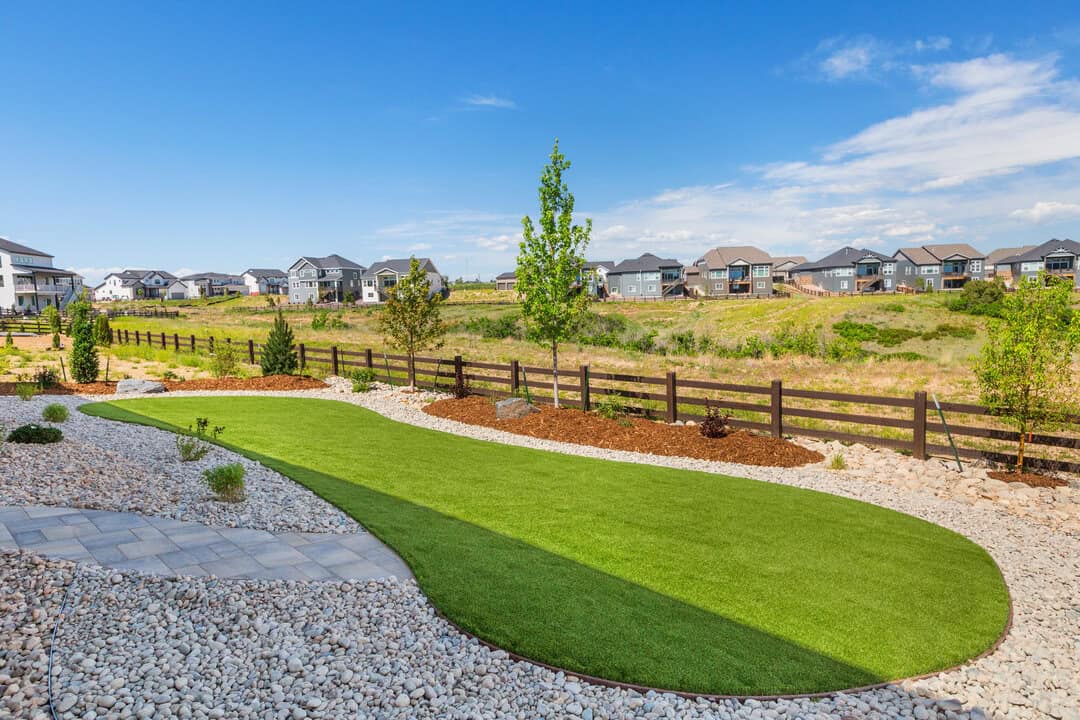
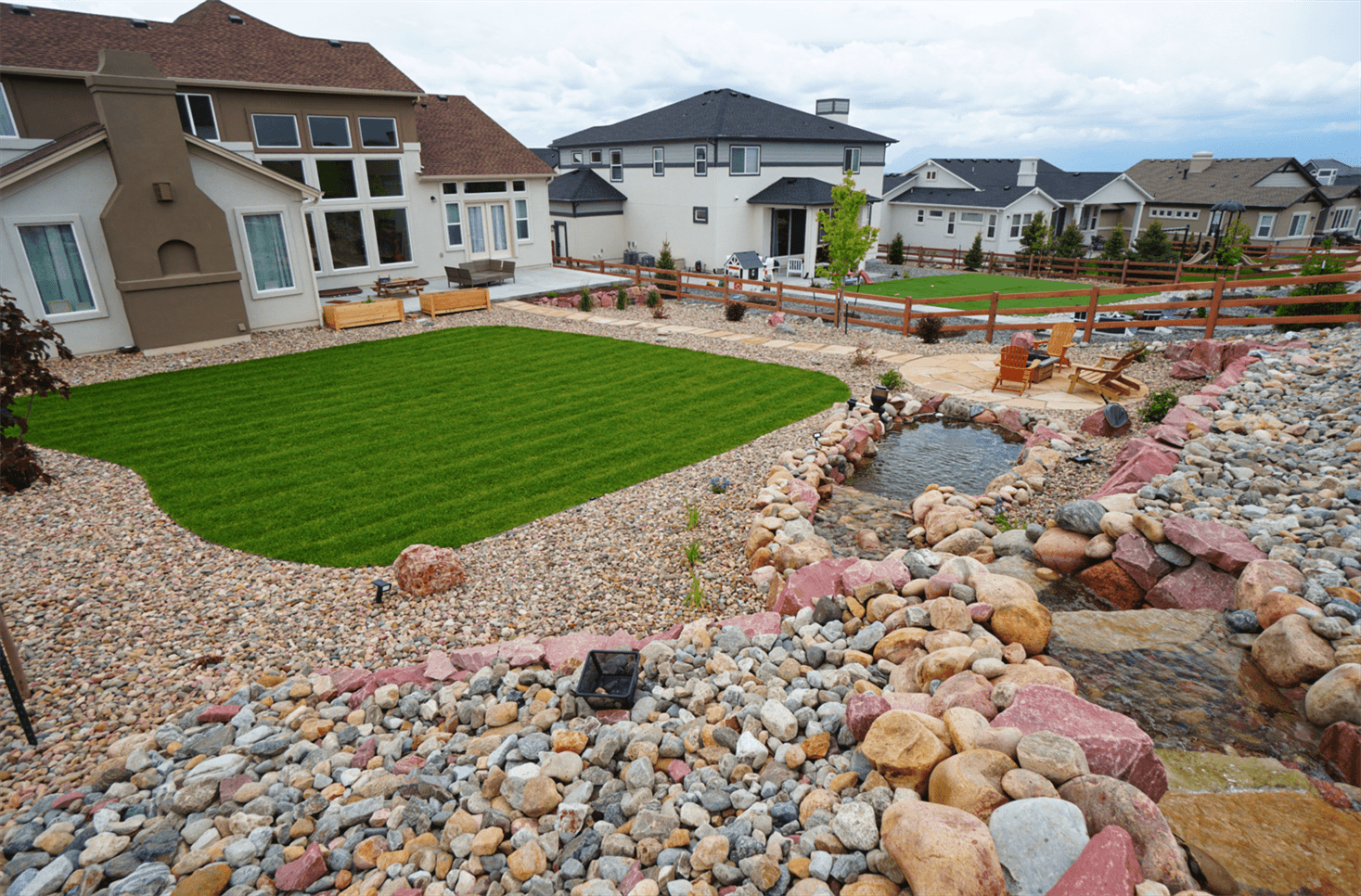
We recently installed 1,500 square feet of artificial turf for a Colorado Springs homeowner, with the base and drainage work done to hold up long-term rather than just look good on install day. Turf installed without adequate drainage underneath is where most complaints about artificial grass actually come from, and it’s the part of the job that’s invisible once the project is finished.
Service Area
Colorado Springs, Monument, Palmer Lake, Black Forest, Peyton, Castle Rock, and Castle Pines.
What Customers Say
What Customers Say
Frequently Asked Questions
Artificial turf costs more upfront than sod but eliminates ongoing water, mowing, and fertilization costs. We provide a specific quote based on your square footage so you can compare the real numbers for your yard.
Turf can run warmer than natural grass in direct summer sun, similar to any hardscape surface. Turf selection and placement can help manage this, and we can talk through options during your consultation.
Yes. Pet-friendly turf and drainage systems are available specifically to handle pet use, including faster drainage to manage odor.
Quality turf with proper installation typically lasts 15-20 years with minimal upkeep, though lifespan depends on turf quality, foot traffic, and how well the base was prepared.
We periodically run tree package offers alongside qualifying projects. Ask about current availability when you request your quote.
Spring and fall generally give sod the best establishment conditions in our climate. We can advise on timing for your specific project during the consultation.
A larger specimen tree gives your yard mature-looking coverage right away instead of waiting years for a small tree to fill in, and it handles our climate better once established with proper care.
We can discuss winterization as part of your system setup and connect you with the right process for Colorado’s freeze season.
Cost depends on yard size, number of zones, and whether it’s new construction or being added to an established yard. We provide a specific quote after seeing your property.
Sprinklers work well for turf areas. Drip irrigation is more efficient for planting beds, trees, and xeriscape areas where you want water at the root, not spraying broadly. Most yards use a combination of both.
We select from native and regionally adapted species suited to our elevation, sun exposure, and soil, and go over specific recommendations for your yard during the consultation.
Savings vary by yard size and plant selection, but drought-tolerant plants need significantly less supplemental irrigation than traditional turf and ornamental beds once established.
No. Xeriscape means selecting plants that need less water, not eliminating plants. Rock and mulch are used as ground cover between plantings, not as a replacement for them.
Yes. Irrigation is often built into the design at the same time, particularly for upper tiers that need consistent watering.
There’s no single cutoff. We assess your specific grade during the consultation and recommend terracing when it makes the space meaningfully more usable.
A tiered garden breaks a sloped yard into level sections using short retaining structures. It’s worth considering when a slope is too steep to use comfortably or too steep to mow safely.
Inadequate drainage behind the wall is the most common cause. Water pressure builds up behind the wall over time and pushes it out of position, which is why we build drainage into every wall.
This depends on local code and soil conditions on your specific lot. We confirm the requirement for your project rather than quoting a blanket number that may not apply.
Taller walls, typically over 4 feet, generally require engineering review and a permit. We assess your specific slope and let you know what applies before starting design.
Yes, as long as there’s a suitable spot for the reservoir and access for excavation. We assess this during the consultation.
Water circulates through a hidden underground reservoir instead of a visible pond, giving you the sound and look of moving water without open standing water.
Pondless designs specifically minimize the upkeep concerns people associate with water features, since there’s no open pond surface losing water to evaporation or collecting debris.
We can install systems with app-based or timer controls depending on the fixtures and transformer you choose. We’ll go over the options during your consultation.
Yes. Retrofitting lighting into an established yard is common and doesn’t require redoing existing hardscape.
Low-voltage LED fixtures use a fraction of the electricity of traditional line-voltage lighting, and most systems cost only a few dollars a month to run.
Cost depends on the number of fixtures, wiring distance, and whether trenching is needed. We provide a specific quote after seeing your property.
In most cases, yes. We assess whether the existing patio can support the addition or whether some rework is needed first.
We look at the total patio square footage and how much seating space needs to surround the fire pit comfortably, then size accordingly rather than using a fixed diameter.
Gas fire pits typically require a permit due to the gas line work. Wood-burning fire pits usually don’t, though placement still needs to meet clearance requirements. We confirm what applies to your project before we start.
Gas fire pits offer instant on/off control and no ash cleanup but cost more upfront due to the gas line. Wood-burning costs less to install and gives a more traditional fire but requires more maintenance. We’ll walk through the tradeoffs for your specific setup.
Properly built stone walls with adequate base preparation hold up well against freeze-thaw cycles and typically last decades with minimal upkeep.
Natural stone, boulder, and block, selected based on the style of the project and how it fits with your existing hardscape.
A stone wall here refers to decorative or freestanding walls, like garden borders or seat walls, that aren’t holding back a slope. A retaining wall is structural and engineered to resist soil pressure on a grade change. If your project involves a slope, see our retaining wall page.
Yes. New-build lots are a large part of our current work, particularly in Castle Rock and Colorado Springs.
Pavers that sink or shift almost always trace back to inadequate base depth or skipped compaction. Colorado’s freeze-thaw cycles make this even more important than in milder climates.
Most residential patios take 3-7 days from excavation to final cleanup. Larger projects that include a fire pit, retaining wall, or lighting take longer. We give you a specific timeline during the consultation.
Cost depends on square footage, paver material, and site conditions like slope or existing drainage. We provide a detailed quote after an on-site consultation rather than a per-square-foot estimate that ignores your yard’s specifics.
Yes, AG Landscaping handles hardscaping services in Colorado Springs and out into Monument and the surrounding areas, covering everything from outdoor living design to individual patio and fire pit installations.
Both work well as part of a fire pit installation. Gas lights instantly and needs no cleanup but requires a gas line, while wood-burning has a more traditional feel and needs more clearance and upkeep.
A custom patio installation in Colorado Springs typically includes excavation, a compacted base, sand for leveling, and pavers or stone set on top with joint sand swept into the gaps, the same process regardless of size or shape.
Pavers tend to hold up best here, which is a big part of good patio design in Colorado Springs, since individual units can shift slightly with seasonal ground movement instead of cracking the way a single poured slab can.
Yes. Many homeowners start with a patio and add a fire pit, wall, or garden bed in later seasons. That’s common with hardscaping in Colorado Springs, where planning the full layout up front, even if it’s built over time, keeps each addition consistent with the others.
It depends on the size and type of project. Larger structural elements like retaining walls over a certain height often require permits, while smaller patios and fire pits usually don’t. A hardscape contractor in Colorado Springs familiar with local codes can confirm what applies to your project.
Design and planning for hardscape design in Colorado Springs typically take one to two weeks depending on project size, with installation ranging from a few days for a simple patio to a few weeks for a full backyard renovation with multiple features.
Hardscape design refers to the built, permanent features like patios, walls, and fire pits, while landscape design covers plants, grass, and softscape elements. Most yards need a plan for both, but hardscape usually comes first since it shapes how the rest of the yard gets used.
The number of lights depends on your property size, pathways, outdoor living areas, and the features you want to highlight. A professional landscape lighting design uses strategic placement to provide balanced coverage without making the property too bright.
Yes, as an outdoor living contractor in Colorado Springs, homeowners can work with the team to build patios, fire pits, pergolas, outdoor kitchens, retaining walls, lighting, and walkways. They can help turn a basic yard into a more useful space for relaxing and entertaining.
Yes, xeriscaping in Colorado Springs yards is one of the services available for homeowners who want a lower-maintenance outdoor space. This can include rock beds, mulch, drought-conscious plants, shrubs, and layouts suited to Colorado’s climate.
Yes, the team can help you plan a practical layout based on your yard, goals, and budget. Their landscape design in Colorado Springs service can include hardscape, planting areas, lighting, walkways, and outdoor living features.
The team provides landscape design, installation, and maintenance services for outdoor spaces in Colorado Springs. Services include patios, fire pits, retaining walls, water features, irrigation, planting, lawn care, lighting, and seasonal maintenance.
Advanced Generation Landscaping serves homeowners in Colorado Springs and the surrounding areas. If you are nearby and need a landscaper homeowners can trust, contact the team to confirm availability for your property.
Summer landscape lighting installation is generally best scheduled once the ground has thawed and is workable, with installations continuing through the summer months in Colorado Springs. Contact the installation team as soon as possible to discuss your design and reserve a suitable date.
Use shielded fixtures that direct light toward the ground and keep illumination within your property boundaries. Appropriate brightness, careful fixture angles, warm color temperatures, and timers can reduce glare and unwanted light.
Low-voltage lighting uses a transformer to reduce household electricity and is commonly used for path and walkway lighting, patios, and garden features. Line-voltage lighting operates at standard household voltage and may suit larger properties or areas requiring stronger illumination.
Permit requirements depend on the system and its connection to your property’s electrical supply. Confirm current requirements with the Pikes Peak Regional Building Department before installation.
Low-voltage landscape lighting installations generally do not require permits in Colorado Springs for DIY residential work. Systems operating at 30 volts or less typically fall below permit thresholds. However, line-voltage installations connecting to your home’s 120-volt electrical system require permits and licensed electrician installation. Requirements may vary by neighborhood, especially in HOA communities with specific guidelines. Contact the Colorado Springs Building Department to verify current requirements for your specific project before beginning installation.
LED landscape lights last 25,000 to 50,000 hours compared to just 2,000 to 4,000 hours for traditional halogen bulbs. This means LEDs can last 10 to 20 years with typical residential use of 4 to 6 hours per night. Halogen bulbs require replacement every 1 to 2 years. Beyond longevity, LEDs use 75% less energy, produce less heat, and maintain consistent color output throughout their lifespan. While LED fixtures cost more initially, the extended life and energy savings provide significant long-term value.
Landscape lighting can increase property values by 5% to 10% according to real estate professionals in Colorado. Well-designed outdoor lighting enhances curb appeal, extends usable outdoor space, and demonstrates property care. Evening showings become more impressive with professional lighting that highlights architectural features and landscaping. Security improvements from proper lighting also appeal to buyers. The return on investment often exceeds the installation cost when selling your home.
The landscape lighting cost in Colorado Springs depends on the number and quality of fixtures, property size, wiring, transformers, controls, and design requirements. Request a property-specific quote for pricing based on your outdoor space and lighting goals.
Weather-resistant LED landscape lighting is suitable for changing local conditions when fixtures are rated for outdoor and wet-location use. Quality LEDs also consume less electricity and generally last longer than traditional halogen bulbs. A professional can recommend landscape lighting in Colorado Springs based on your property, preferred lighting effects, and exposure to local weather.

